
Stone Atlas
Every stone we ship, arranged by how it looks
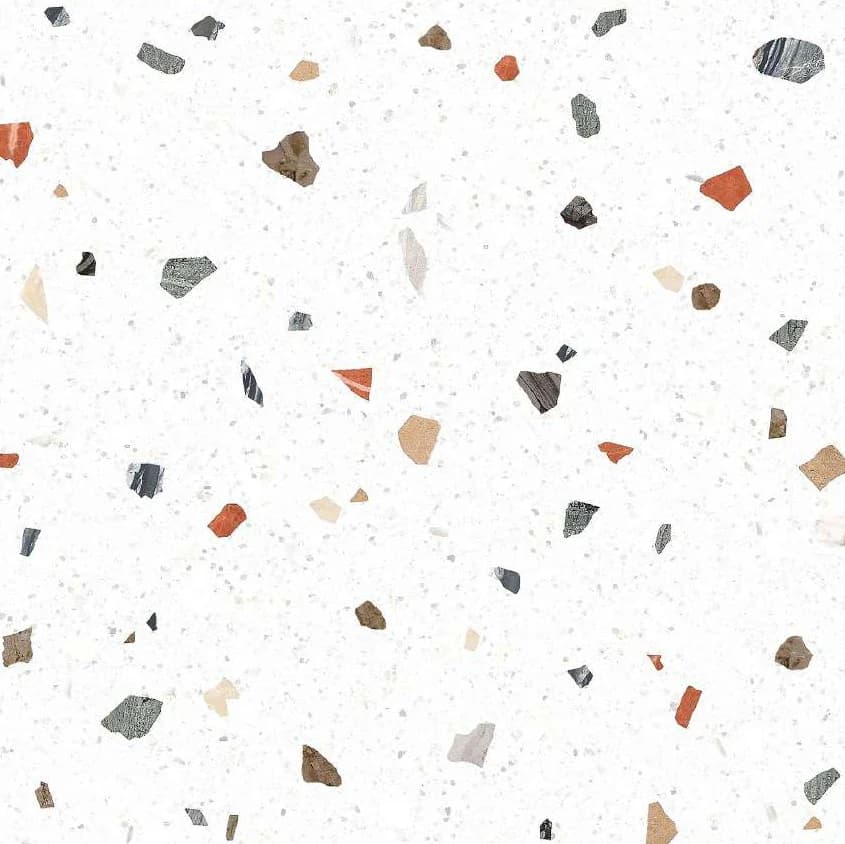
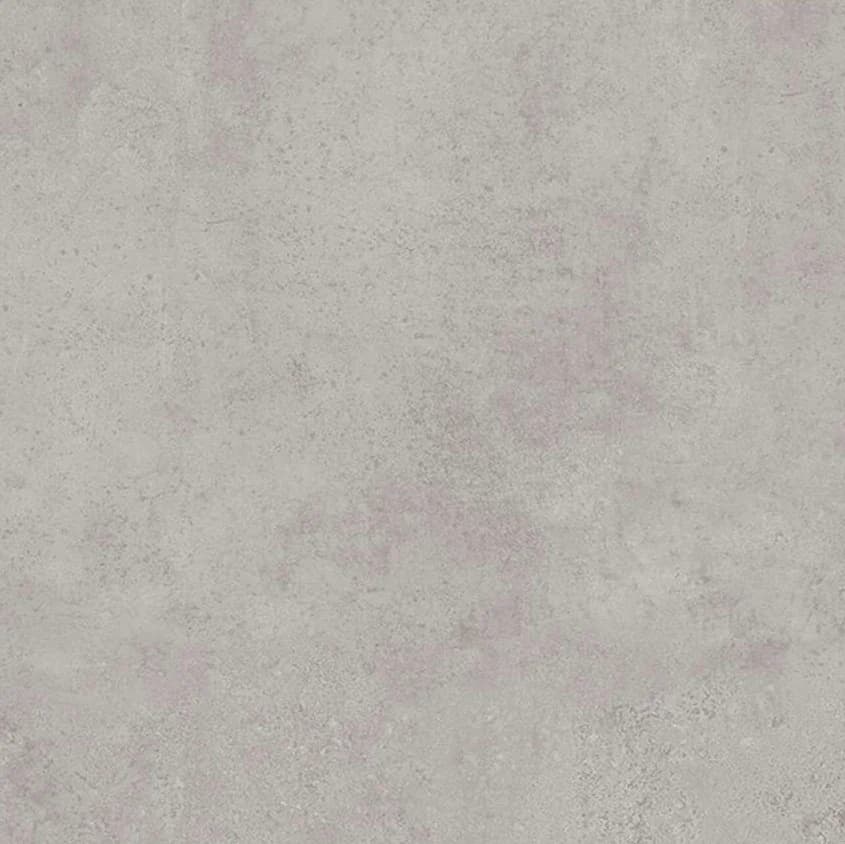
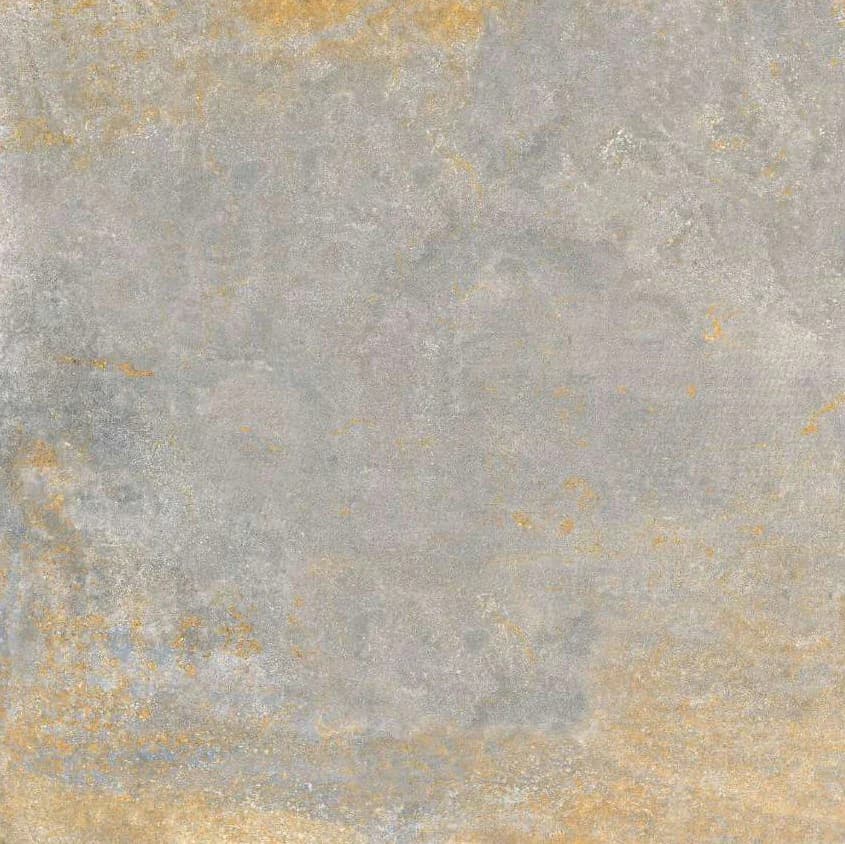
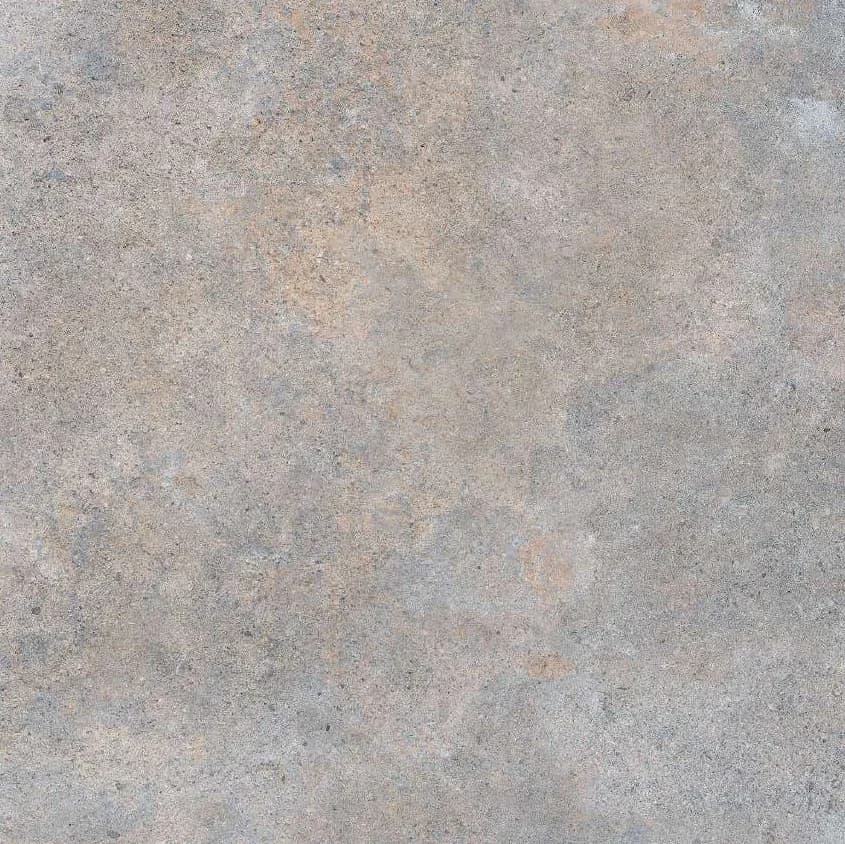
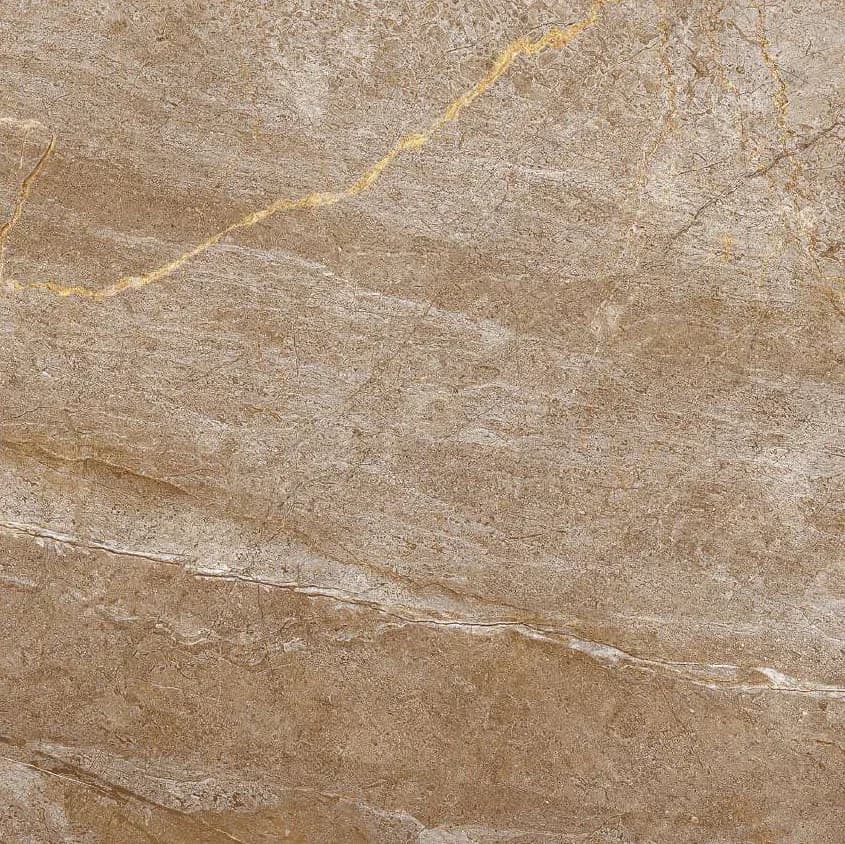
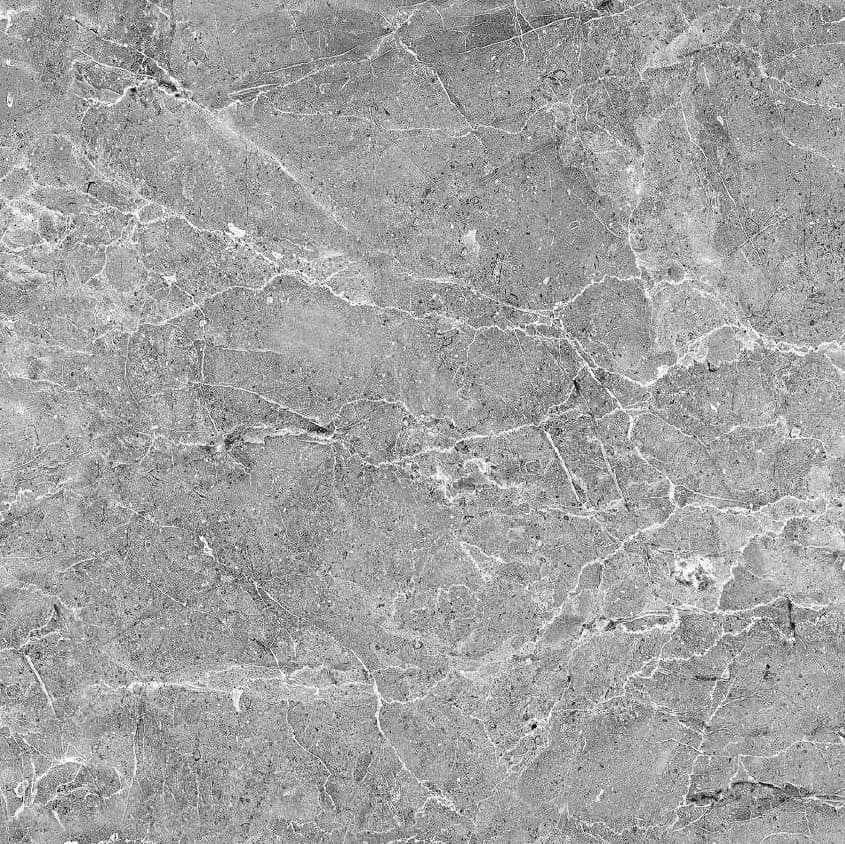
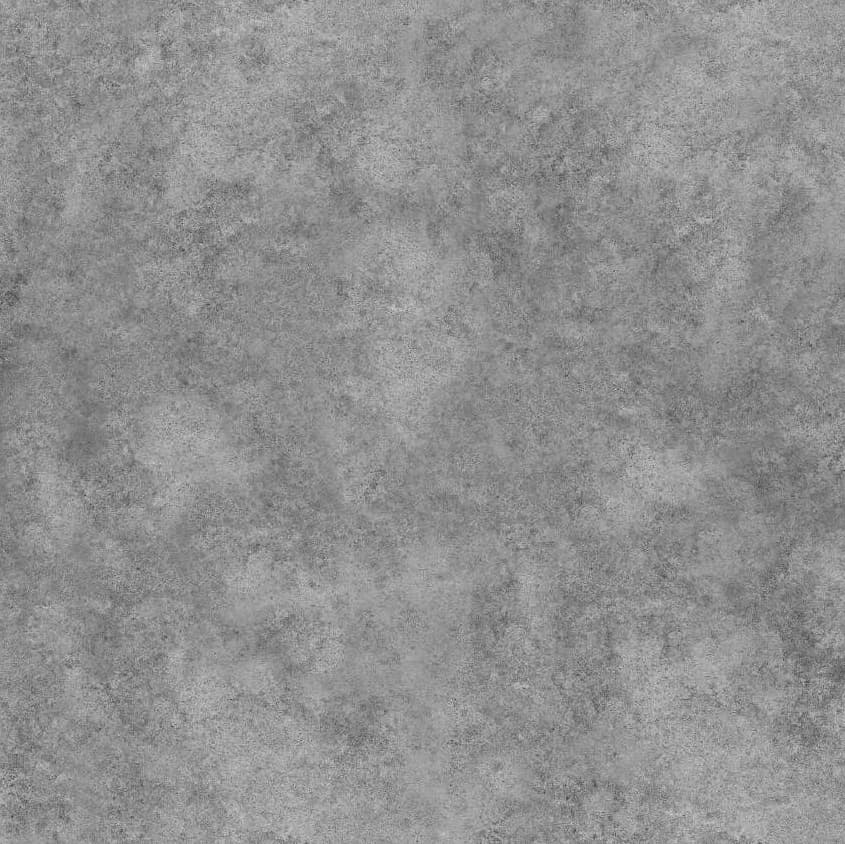
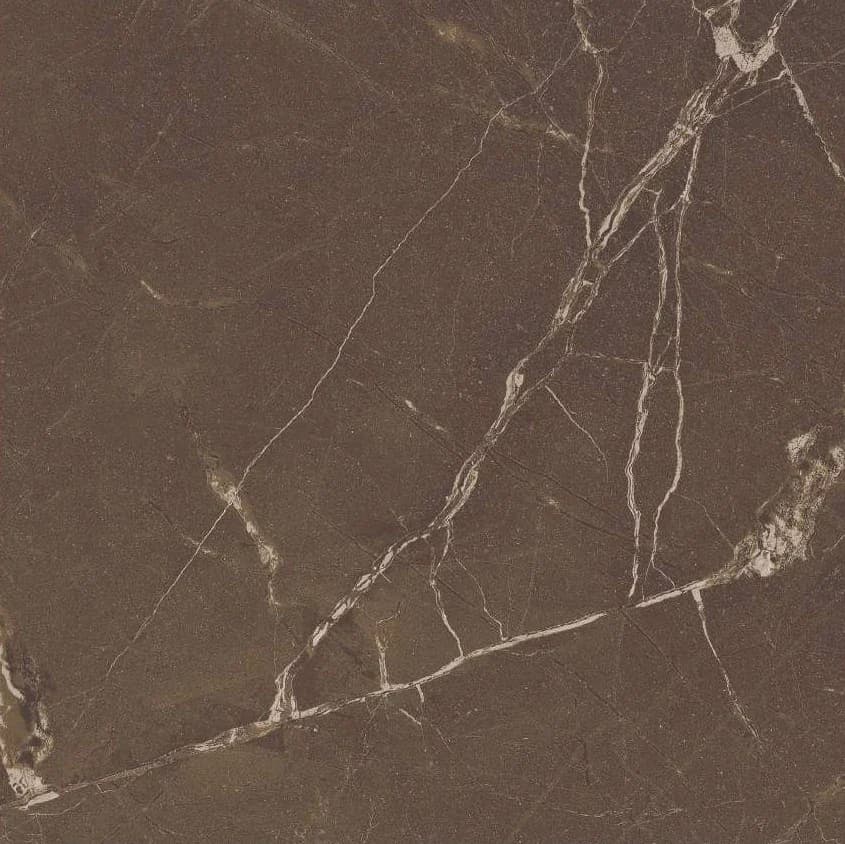
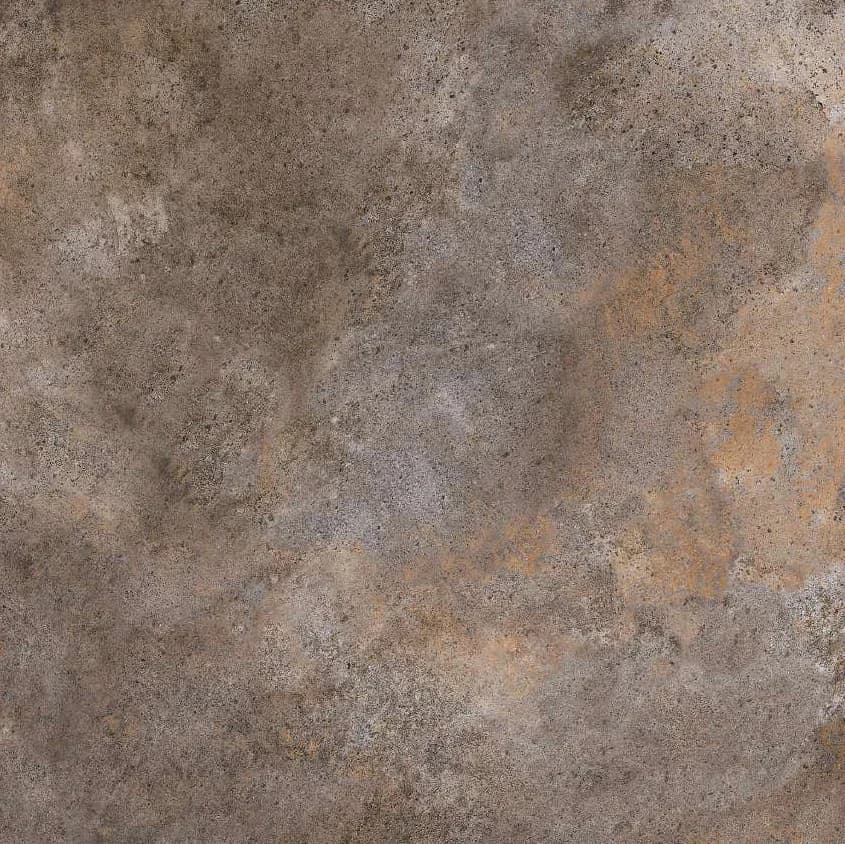
Our whole range of marble, travertine, quartzite, granite and porcelain on one map. Neighbours look alike: follow the colour from white to black or from cream to brown, and open any stone.
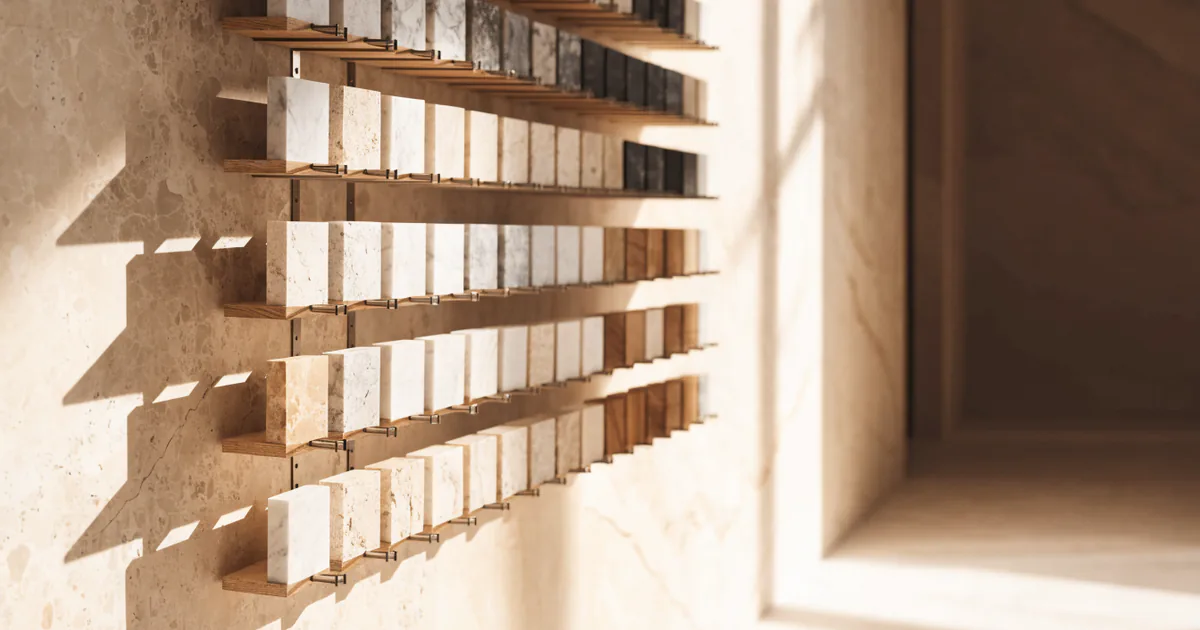
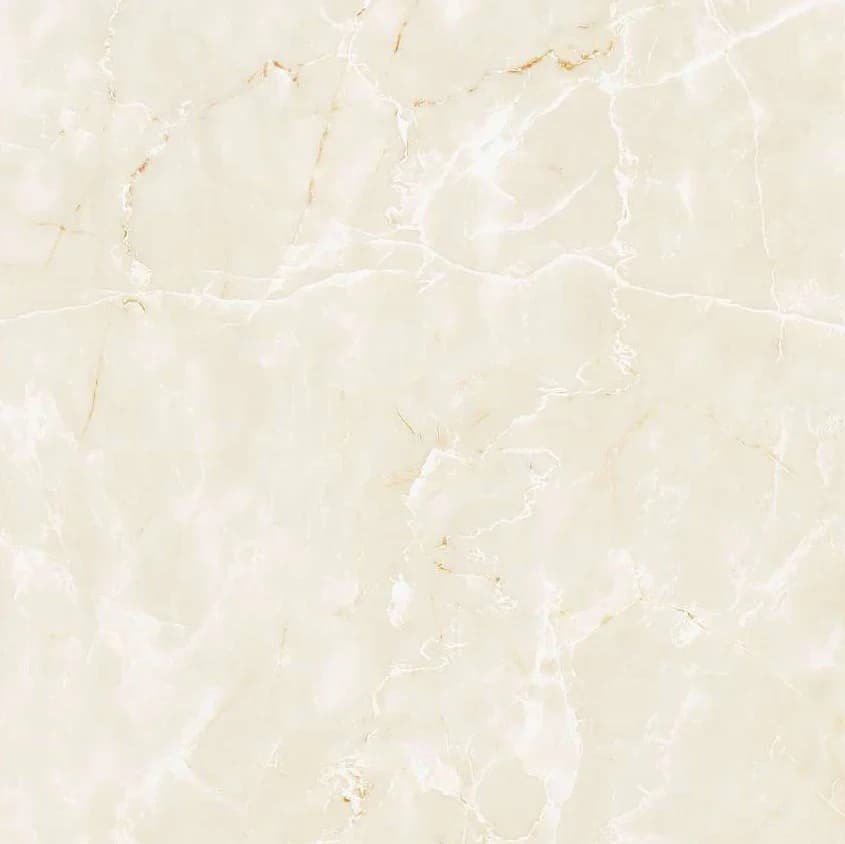

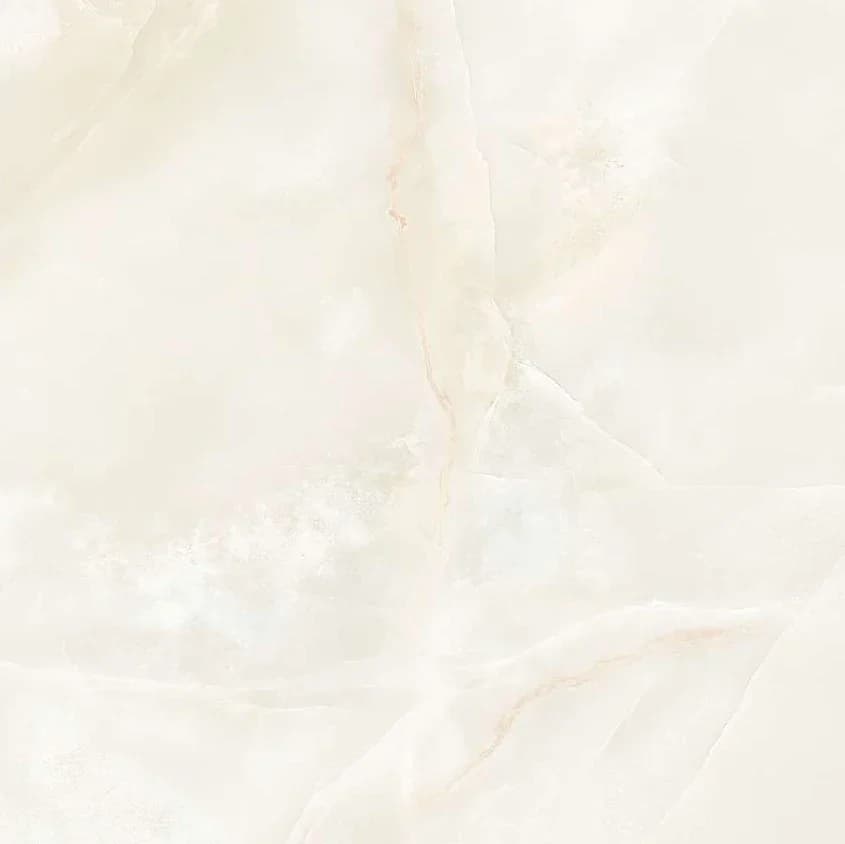
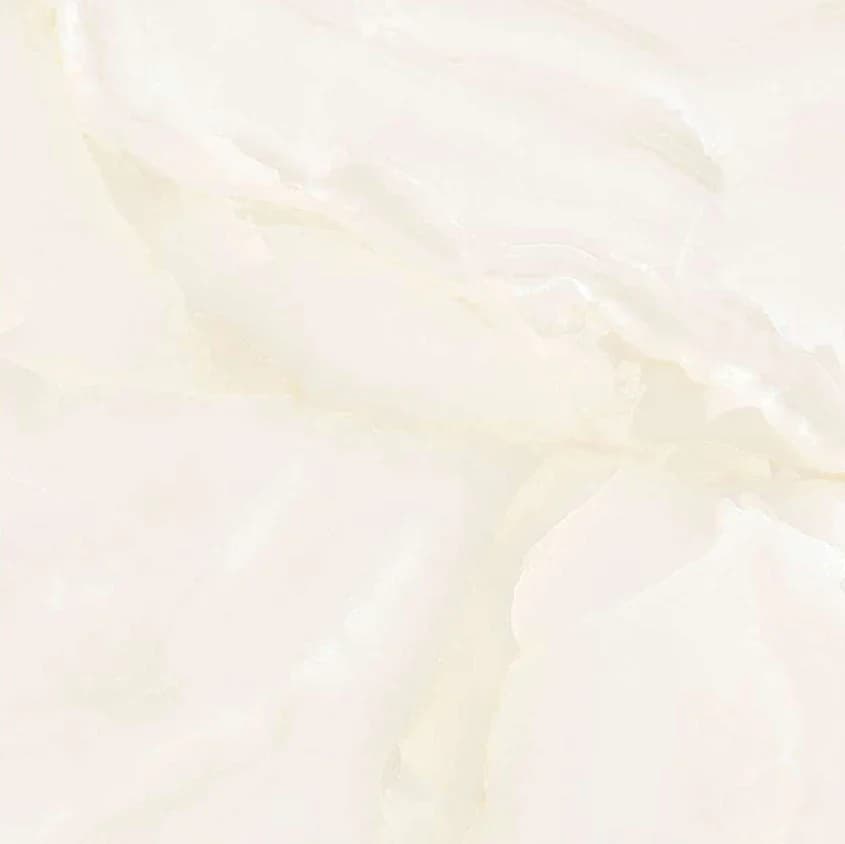
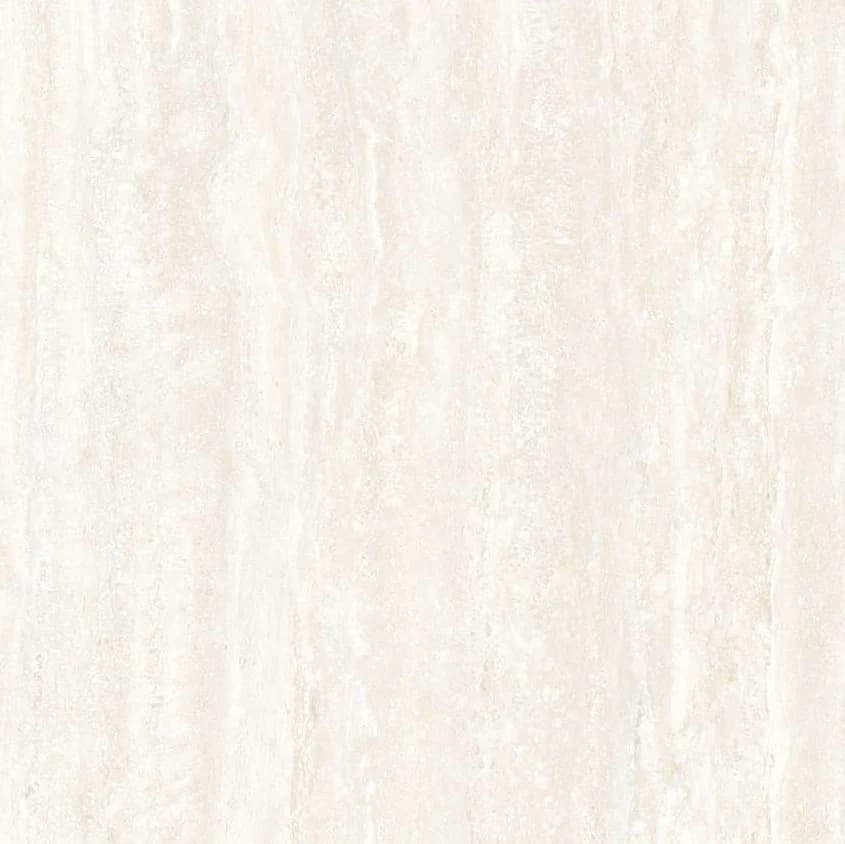
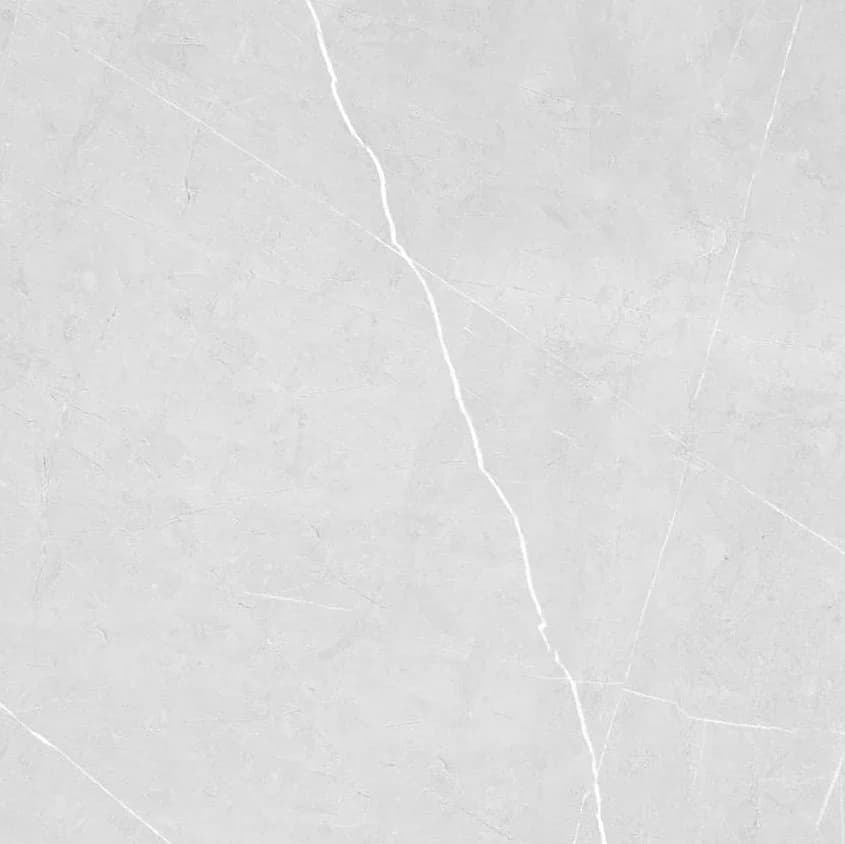


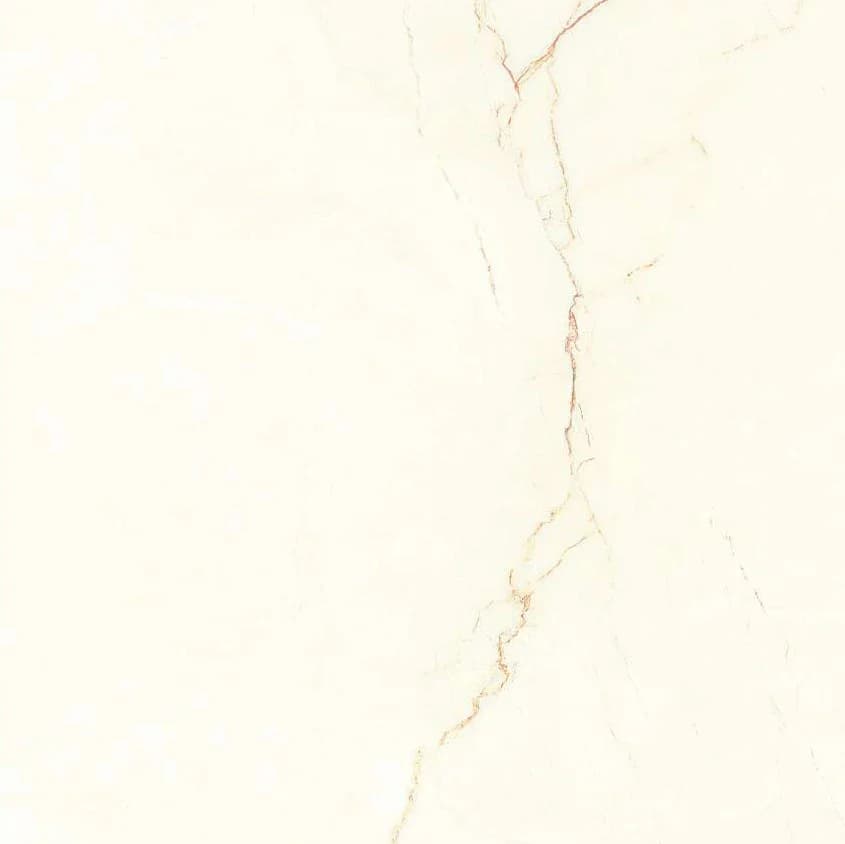



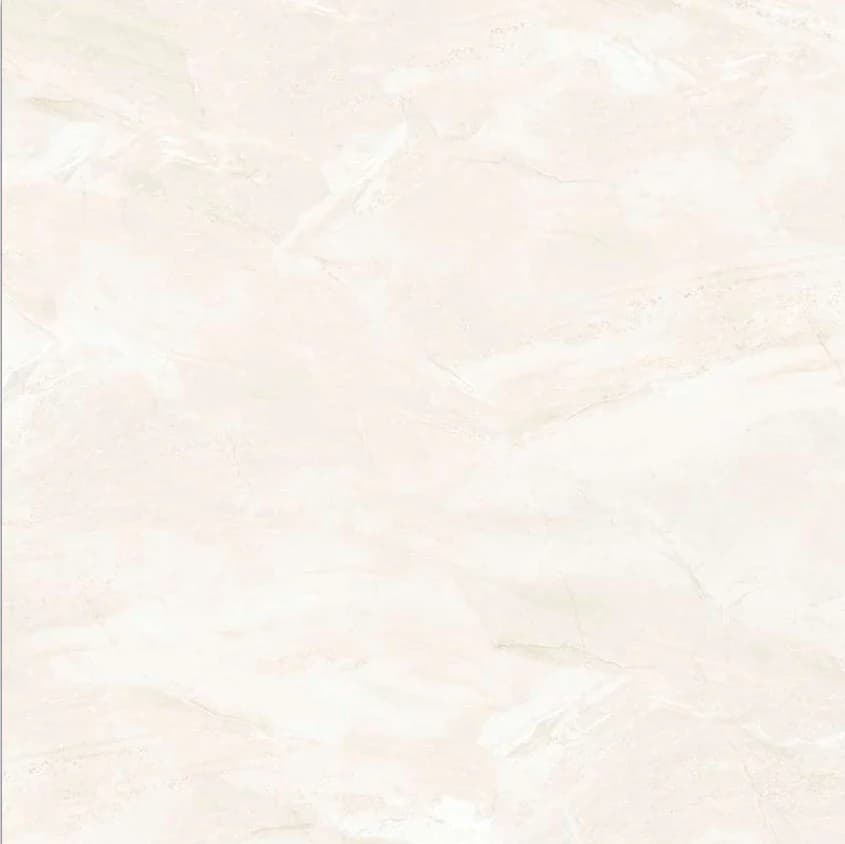

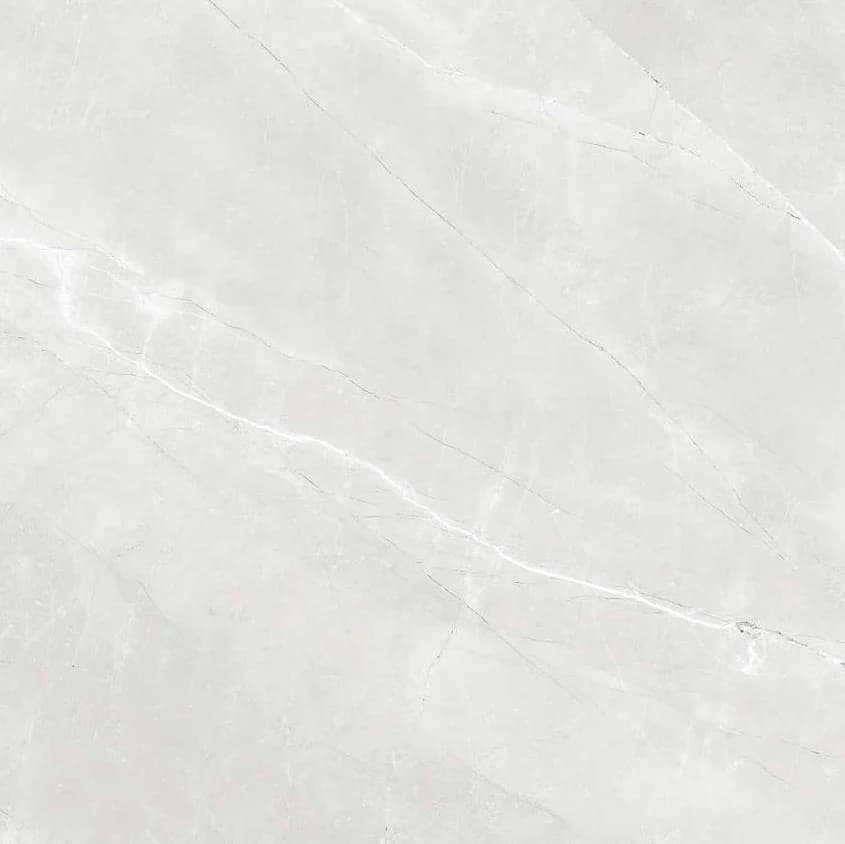

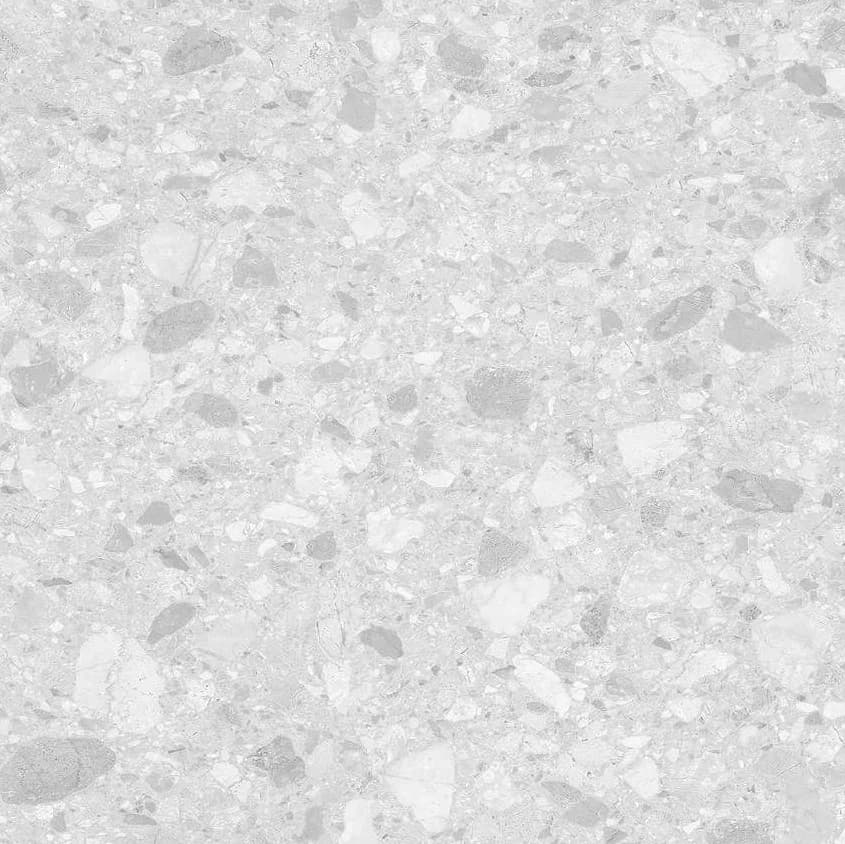
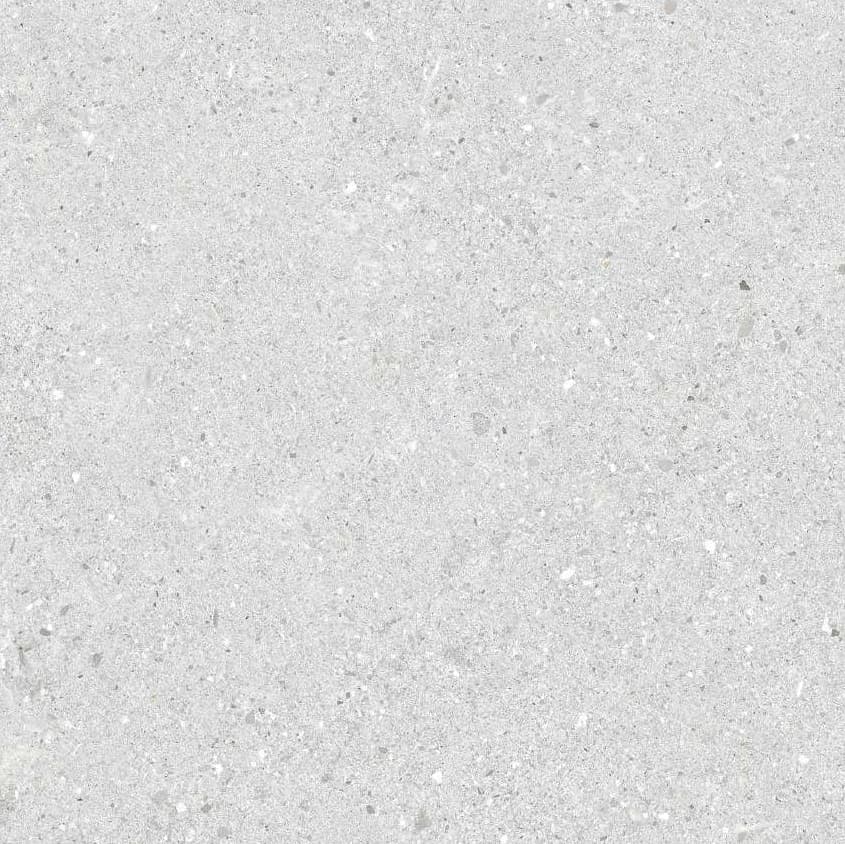




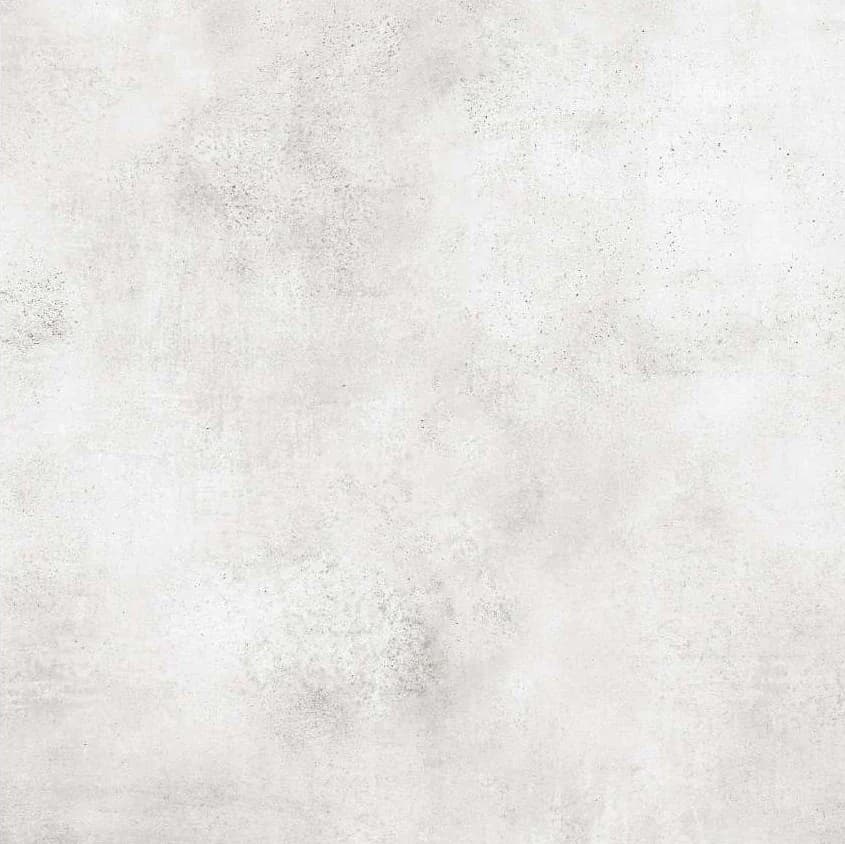
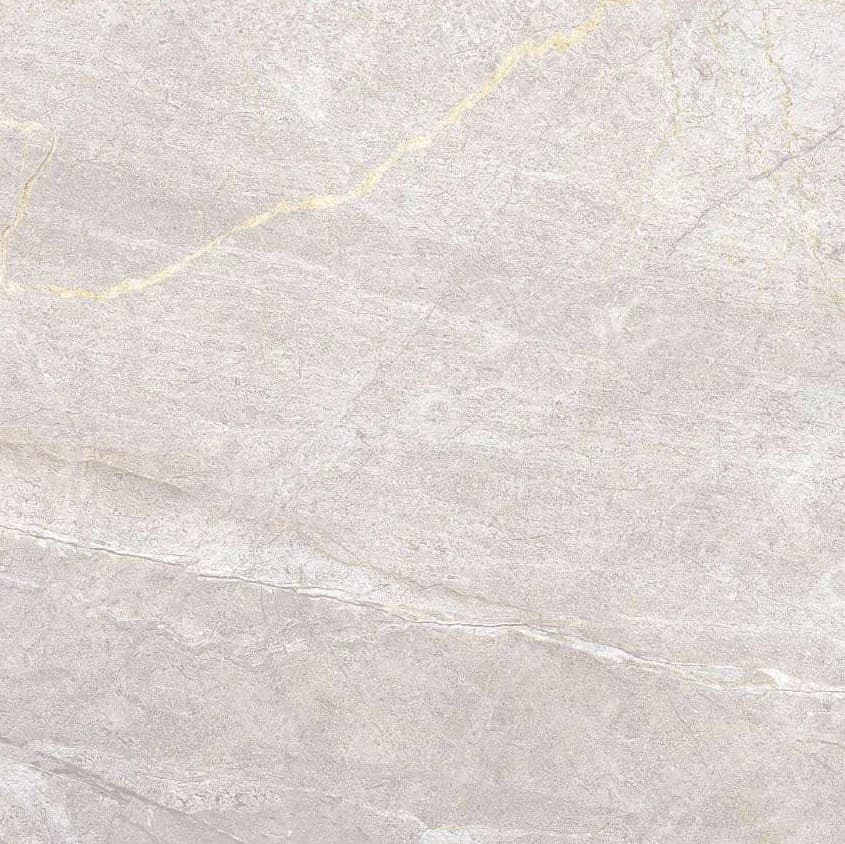

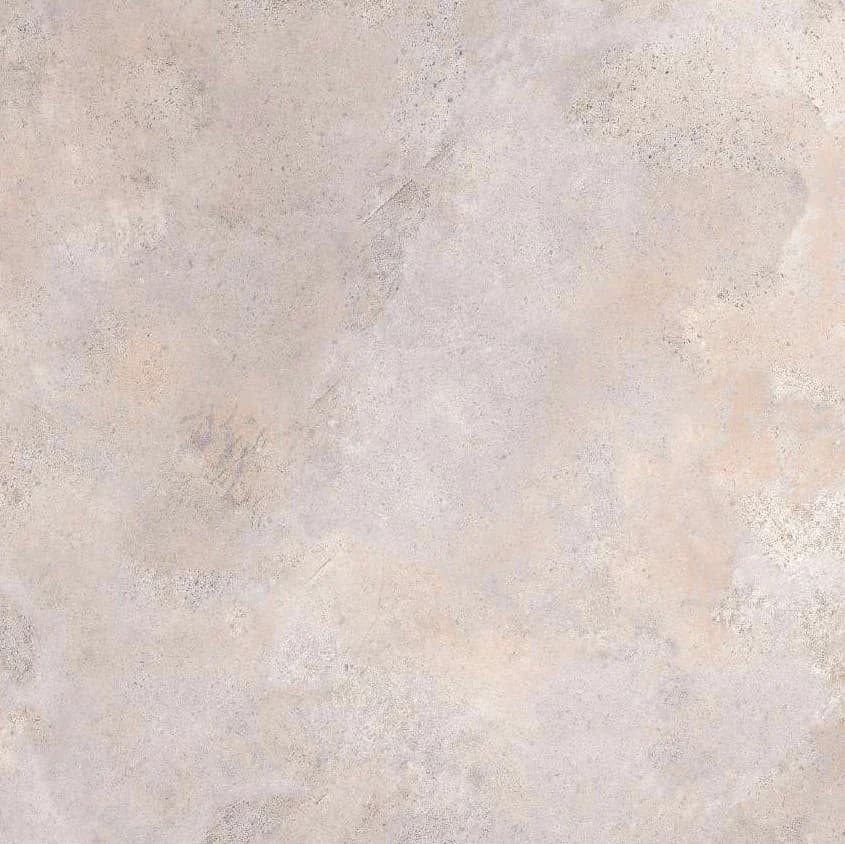
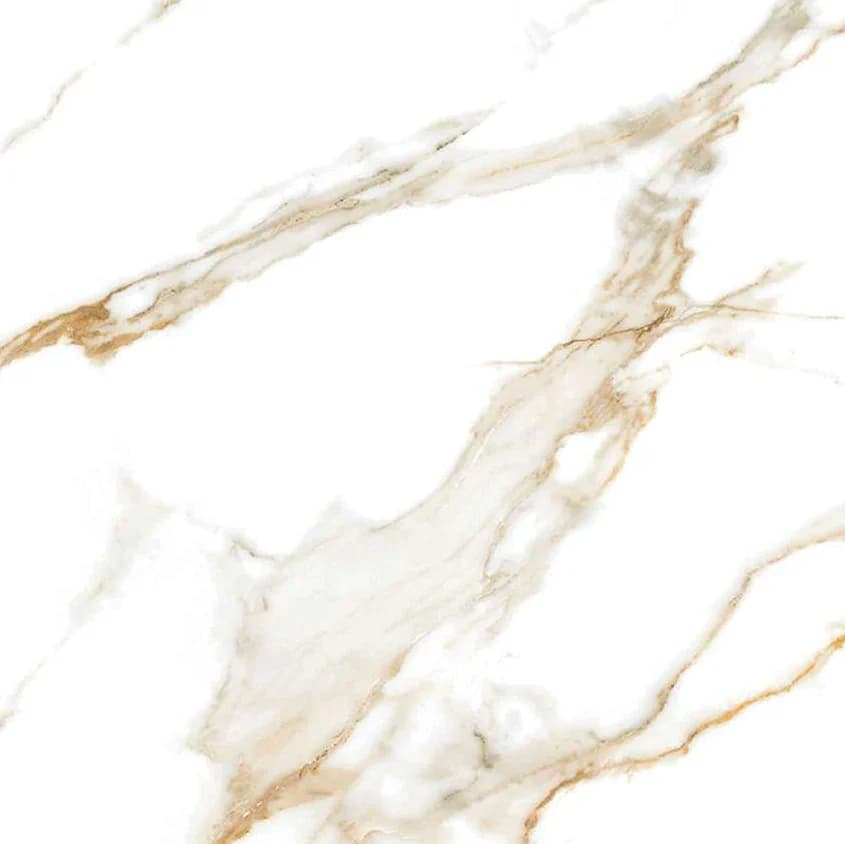

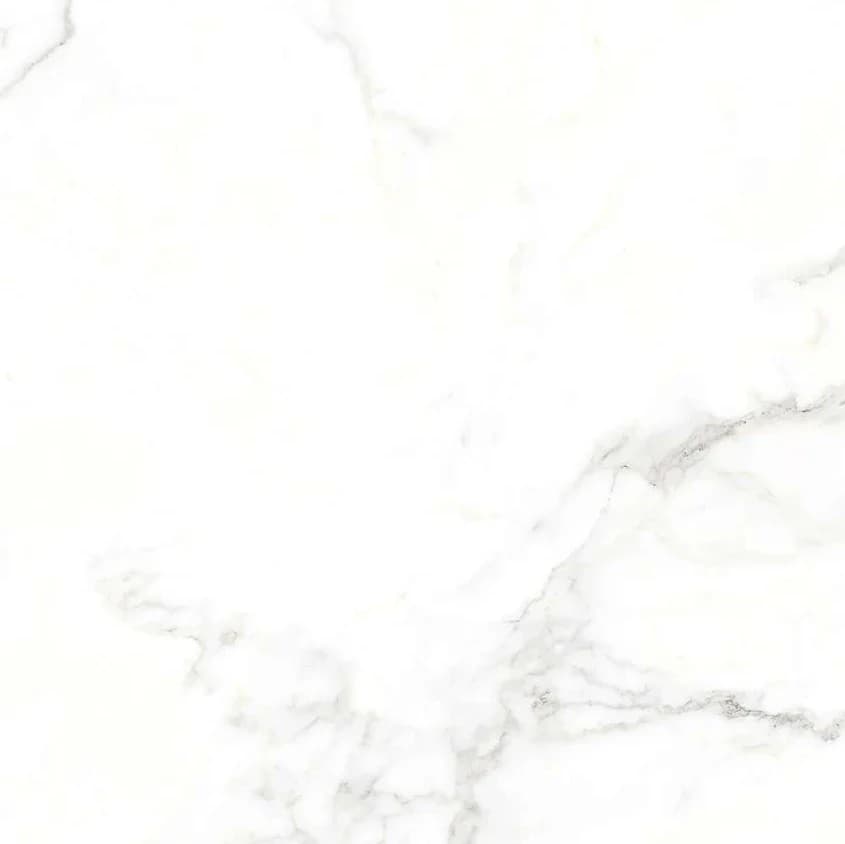





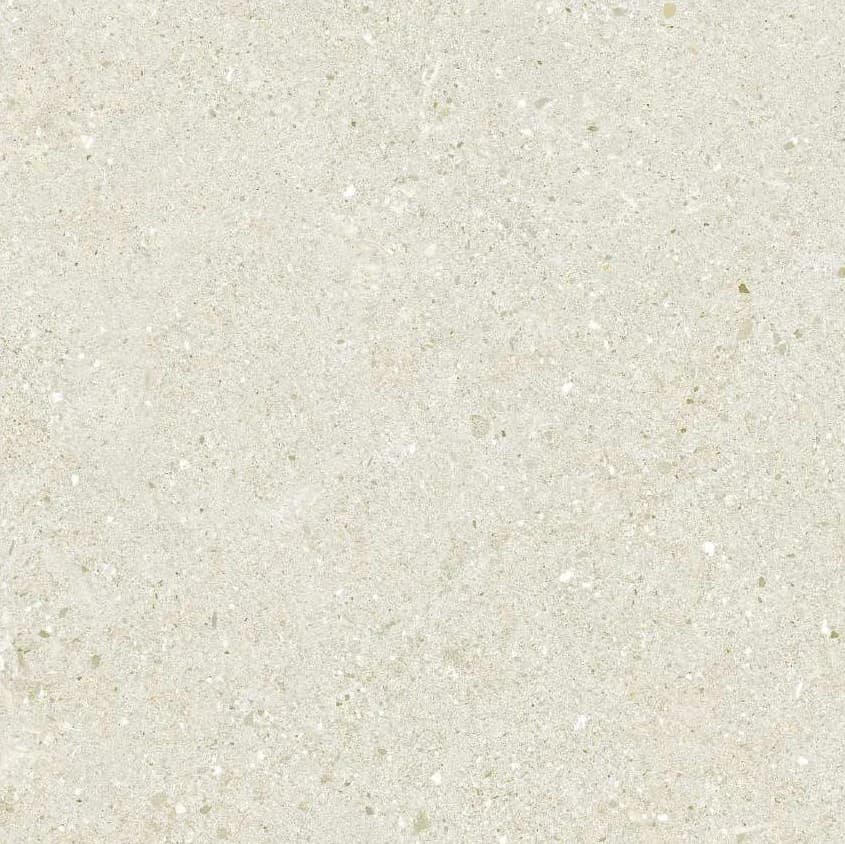
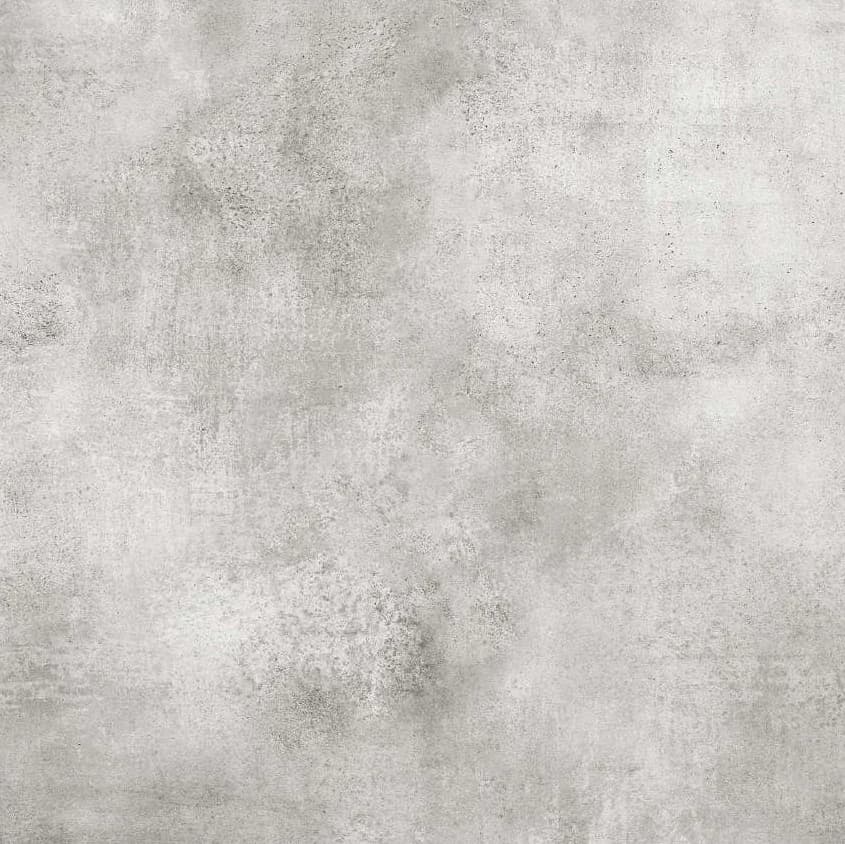
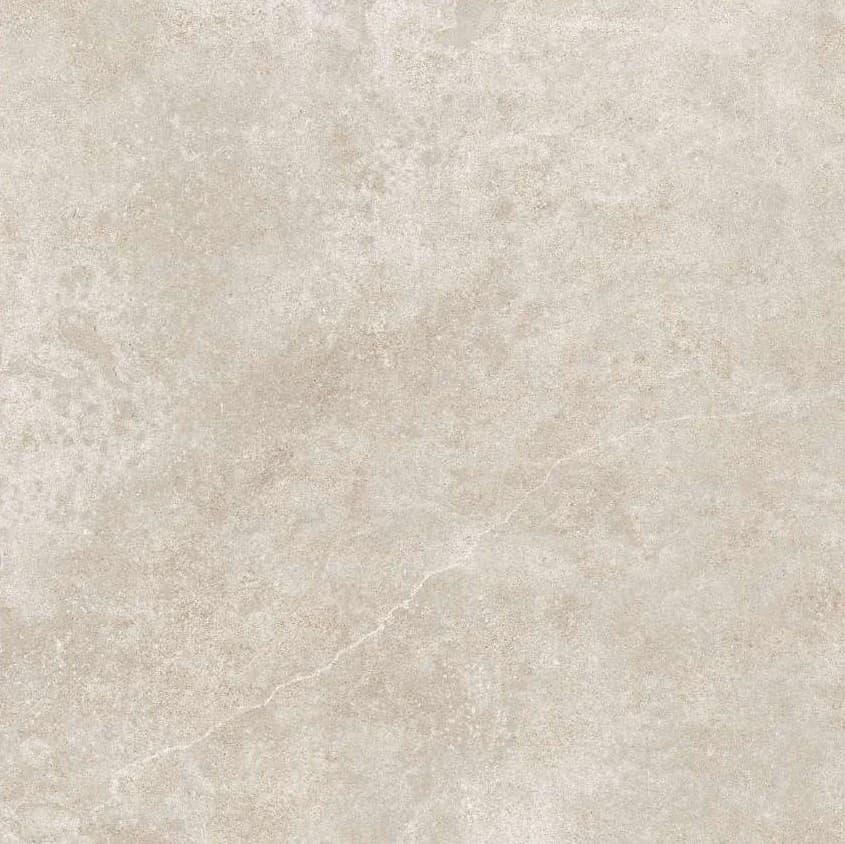
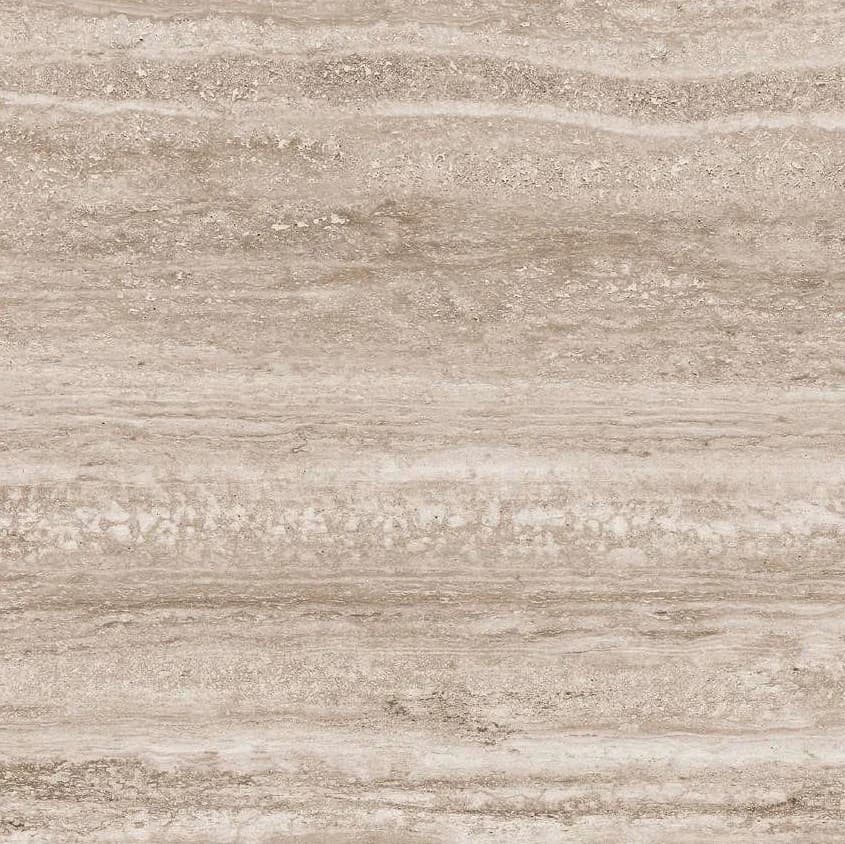







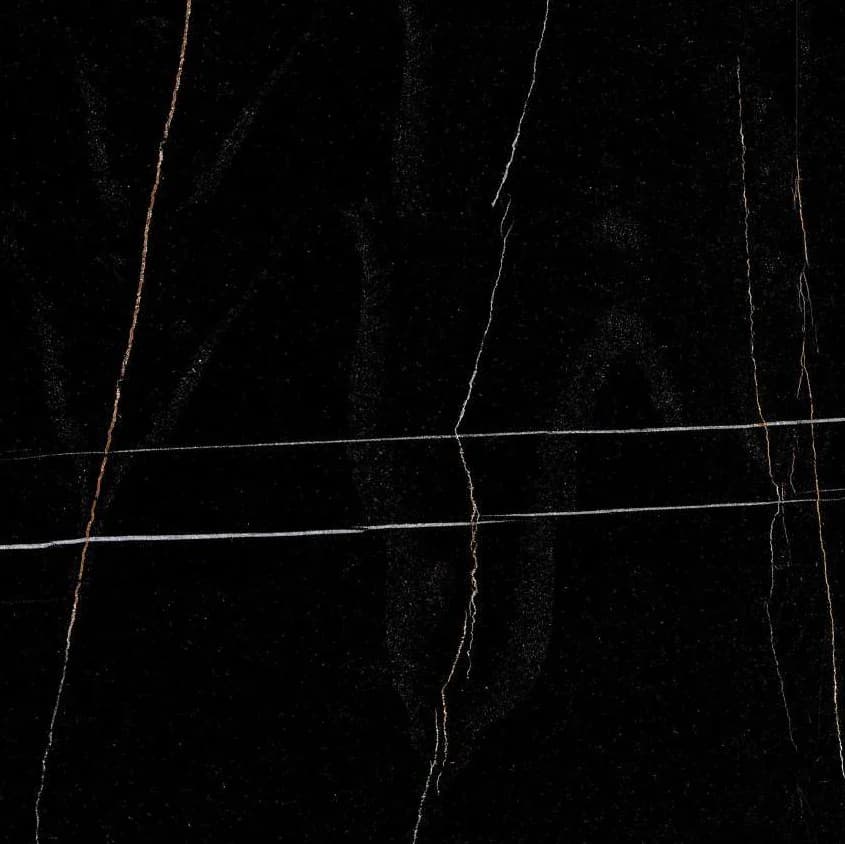
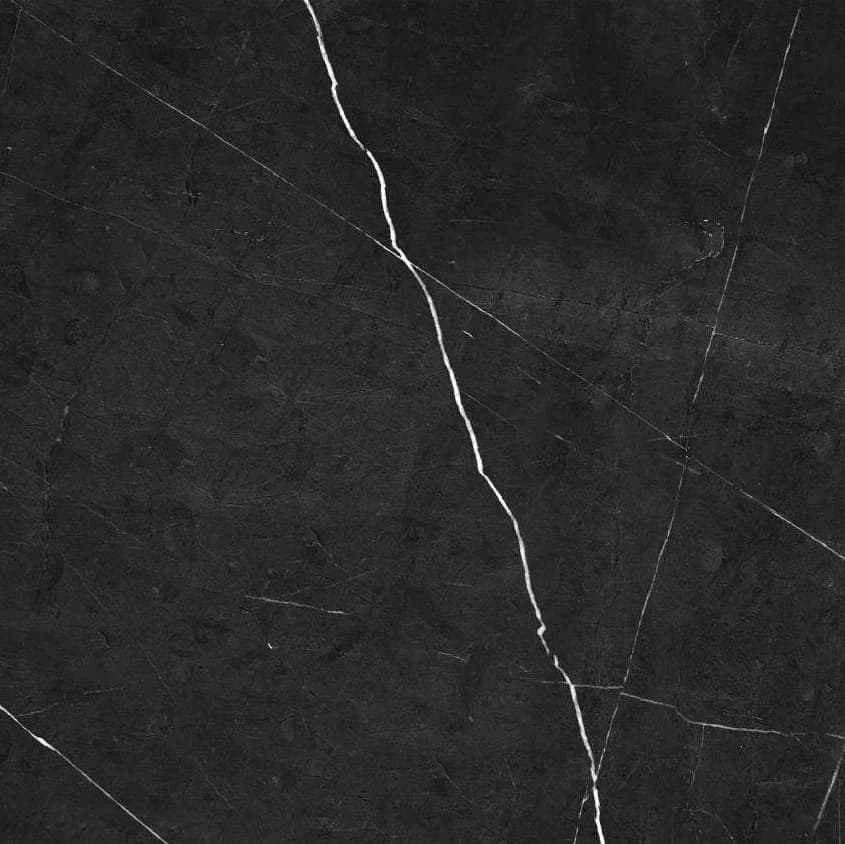
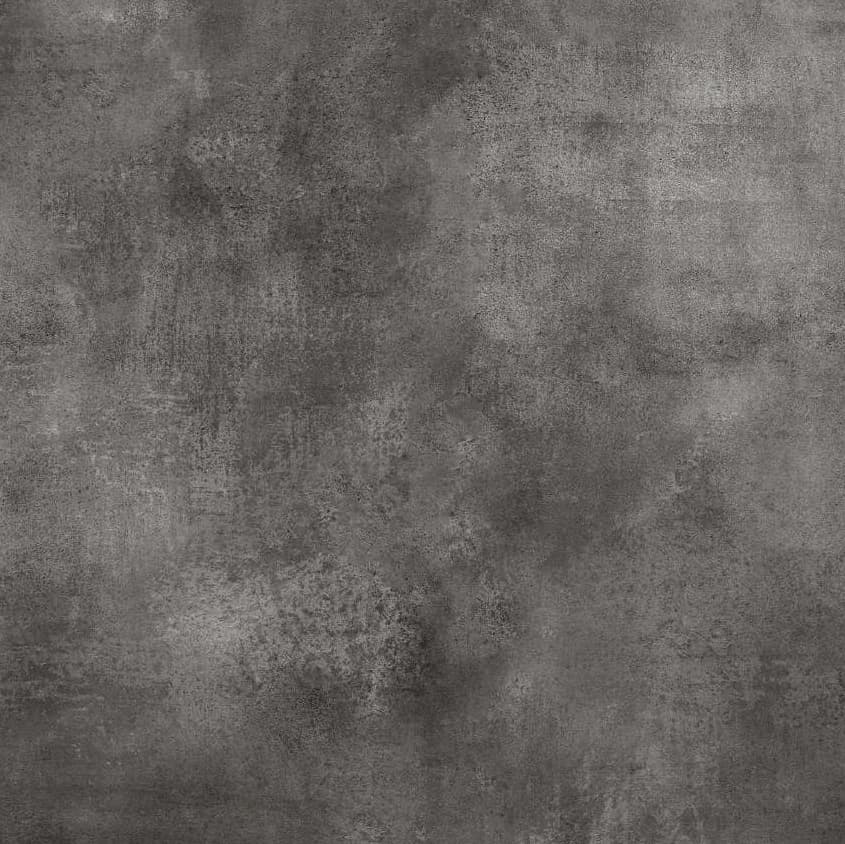
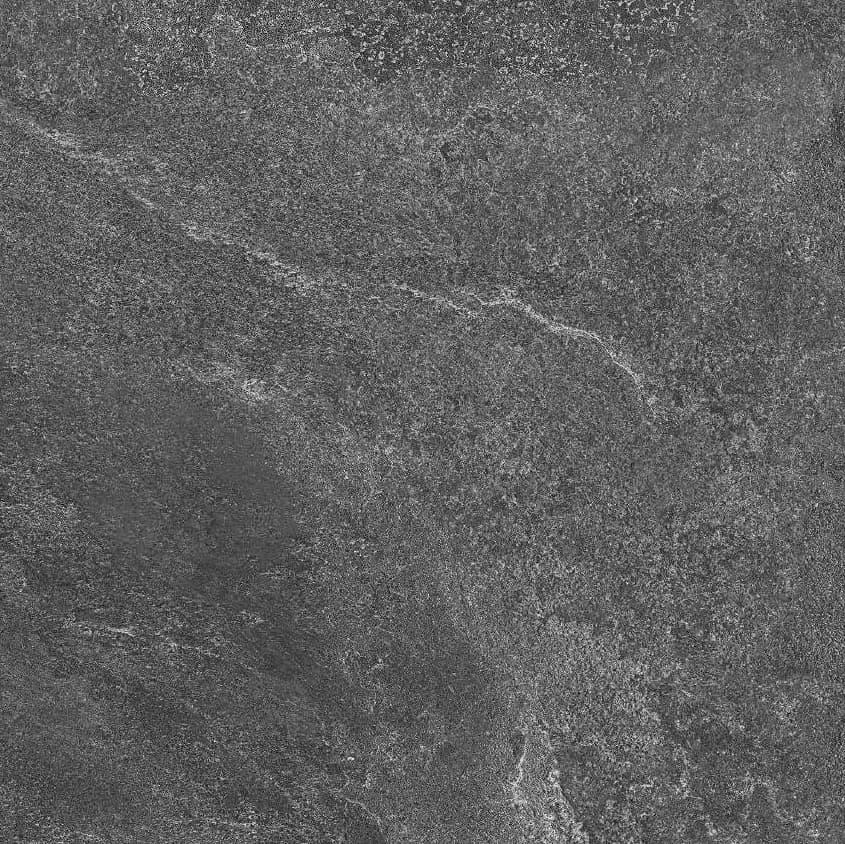
Your palette
0 / 6Add up to six stones to compare, share or request as samples.
A visual map from catalogue photos, not a geological classification. Screens and photos alter colour; confirm with a sample.
Browse by colour family
The families come from each product's own name; the map comes from its photo. A stone photographed in shade can therefore sit nearer the dark end of the map than its family suggests.
White & ivory63 stones
- Angel White Gold Porcelain Tile
- Arco White Porcelain Tile
- Arctic White Grey-Vein Stone Slab
- Argon White Porcelain Tile
- Crystal Cloud White Marble Slab
- Crystal White Linear Marble Slab
- Everest White Porcelain Tile
- Fine Vein White Marble Slab
- Hormoz 60×60 cm Matt Porcelain Tile
- Isfahan 60×60 cm Matt Porcelain Tile
- Isfahan Light 60×60 cm Matt Porcelain Tile
- Ivory Diagonal Band Stone Slab
- Kahkeshan 60×60 cm Matt Porcelain Tile
- Kalkateh White Porcelain Tile
- Kara White Porcelain Tile
- Kashi 60×60 cm Matt Porcelain Tile
- Kiristal Ivory Porcelain Tile
- Mikasa White Grey Porcelain Tile
- Mila White Porcelain Tile
- Pale Ivory Fine Grain Stone Panels
- Panda White Marble Slab
- Persis 60×60 cm Matt Porcelain Tile
- Plain White Stone Panels
- Polar Stripe White Marble Slab
- Porcelain Stair Tread & Riser Set 101
- Porcelain Stair Tread & Riser Set 102
- Porcelain Stair Tread & Riser Set 103.1
- Porcelain Stair Tread & Riser Set 105
- Porcelain Stair Tread & Riser Set 107
- Porcelain Stair Tread & Riser Set 107.1
- Porcelain Stair Tread & Riser Set 108
- Porcelain Stair Tread & Riser Set 890
- Porcelain Stair Tread 3001 & Stair Riser 3008
- Porcelain Stair Tread 874 & Stair Riser 857
- Porcelain Stair Tread 874 & Stair Riser 861
- Porcelain Stair Tread 874 & Stair Riser 868
- Porcelain Stair Tread 874 & Stair Riser 869
- Porcelain Stair Tread 874 & Stair Riser 870
- Porcelain Stair Tread 874 & Stair Riser 886
- Porcelain Stair Tread 882 & Stair Riser 869
- Porcelain Stair Tread 898 & Stair Riser 3002
- Porcelain Stair Tread 898 & Stair Riser 3004
- Porcelain Stair Tread 898 & Stair Riser 3008
- Porcelain Stair Tread 898 & Stair Riser 505
- Porcelain Stair Tread 898 & Stair Riser 819
- Porcelain Stair Tread 898 & Stair Riser 825
- Porcelain Stair Tread 898 & Stair Riser 858
- Porcelain Stair Tread 898 & Stair Riser 862
- Porcelain Stair Tread 898 & Stair Riser 863
- Porcelain Stair Tread 898 & Stair Riser 864
- Porcelain Stair Tread 898 & Stair Riser 866
- Porcelain Stair Tread 898 & Stair Riser 867
- Porcelain Stair Tread 898 & Stair Riser 925
- Raika White Porcelain Tile
- Salt and Pepper Granite Panel
- Skail White Porcelain Tile
- Stark White Porcelain Tile
- Volakas White Bookmatched Marble Slab
- White Branch Vein Stone Panels
- White Charcoal Sweep Stone Panels
- White Porcelain Stair Tread & Stair Riser 509
- White Silk Marble Slab
- Zohal White Porcelain Tile
Grey & silver68 stones
- Abrisham Light Grey 60×60 cm Matt Porcelain Tile
- Alborz Light Grey 60×60 cm Matt Porcelain Tile
- Alborz Super Light Grey 60×60 cm Matt Porcelain Tile
- Alpine Storm Bookmatched Marble Slab
- Anahita Light Grey 60×60 cm Matt Porcelain Tile
- Arash Grey 60×60 cm Matt Porcelain Tile
- Arco Grey Porcelain Tile
- Ash Crystal Beige Marble Slab
- Aurelia Grey Porcelain Tile
- Baran Grey 60×60 cm Matt Porcelain Tile
- Behzad Grey 60×60 cm Matt Porcelain Tile
- Cloud Crystal Light Grey Marble Slab
- Damavand Anthracite 60×60 cm Matt Porcelain Tile
- Darya Grey 60×60 cm Matt Porcelain Tile
- Erika Grey Porcelain Tile
- Fabino Light Grey Porcelain Tile
- Florence Grey Porcelain Tile
- Grey Breccia Marble Slab
- Hania Grey Rust Porcelain Tile
- Kashan Light Grey 60×60 cm Matt Porcelain Tile
- Kerman Light Grey 60×60 cm Matt Porcelain Tile
- Kish Light Grey 60×60 cm Matt Porcelain Tile
- Lagom Porcelain Slab
- Logan Light Grey Porcelain Tile
- Lut Light Grey 60×60 cm Matt Porcelain Tile
- Mahan Light Grey 60×60 cm Matt Porcelain Tile
- Mahtab Grey 60×60 cm Matt Porcelain Tile
- Marcel Grey Porcelain Tile
- Marcel Light Grey Porcelain Tile
- Mehr Light Grey 60×60 cm Matt Porcelain Tile
- Mehr Special Grey 60×60 cm Matt Porcelain Tile
- Meydan Grey 60×60 cm Matt Porcelain Tile
- Mina Grey 60×60 cm Matt Porcelain Tile
- Niloufar Light Grey 60×60 cm Matt Porcelain Tile
- Opera Grey Porcelain Tile
- Pamir Light Grey Porcelain Tile
- Pardis Grey 60×60 cm Matt Porcelain Tile
- Patris Light Grey Porcelain Tile
- Pearl Grey Stone Panels
- Pietra Grey Marble Slab
- Porcelain Stair Tread & Riser Set 103
- Porcelain Stair Tread & Riser Set 110
- Porcelain Stair Tread & Riser Set 845
- Porcelain Stair Tread 898 & Stair Riser 513
- Porcelain Stair Tread 898 & Stair Riser 830
- Porcelain Stair Tread 898 & Stair Riser 832
- Porcelain Stair Tread 898 & Stair Riser 859
- Rafael Light Grey Porcelain Tile
- Ramond Light Grey Porcelain Tile
- Romania Light Grey Porcelain Tile
- Salid Grey Porcelain Tile
- Salid Light Grey Porcelain Tile
- Setareh Grey 60×60 cm Matt Porcelain Tile
- Shiraz Light Grey 60×60 cm Matt Porcelain Tile
- Shirin Grey 60×60 cm Matt Porcelain Tile
- Silver Branch Stone Slab
- Silver Gold Flow Stone Panels
- Silver Taupe Marble Slab
- Silver Wave Black Stone Slab
- Silver Wave Marble Slab
- Sormeh Light Grey 60×60 cm Matt Porcelain Tile
- Tabriz Light Grey 60×60 cm Matt Porcelain Tile
- Tehran Light Grey 60×60 cm Matt Porcelain Tile
- Terezzo Light Grey Porcelain Tile
- Zafran Light 60×60 cm Matt Porcelain Tile
- Zagros 60×60 cm Matt Porcelain Tile
- Zagros Grey 60×60 cm Matt Porcelain Tile
- Zohal Grey Porcelain Tile
Black & charcoal40 stones
- Adak Dark Stone Porcelain Tile
- Alborz Dark Grey 60×60 cm Matt Porcelain Tile
- Argon Black Gold Porcelain Tile
- Argon Black Porcelain Tile
- Black Fine White Vein Stone Panels
- Black Gold Linear Stone Slab
- Black Gold Web Stone Panels
- Black Marquina Marble Slab
- Bolour Dark Beige 60×60 cm Matt Porcelain Tile
- Charcoal Branch Vein Stone Panels
- Damavand Dark Grey 60×60 cm Matt Porcelain Tile
- Dark Brown Breccia Stone Slab
- Dark Silver Wave Bookmatched Marble Slab
- Fabino Dark Grey Porcelain Tile
- Isfahan Dark 60×60 cm Matt Porcelain Tile
- Kavir Dark Grey 60×60 cm Matt Porcelain Tile
- Kerman Dark Grey 60×60 cm Matt Porcelain Tile
- Khazar Black 60×60 cm Matt Porcelain Tile
- Kish Dark Grey 60×60 cm Matt Porcelain Tile
- Logan Dark Grey Porcelain Tile
- Nasim Dark Grey 60×60 cm Matt Porcelain Tile
- Niloufar Dark Grey 60×60 cm Matt Porcelain Tile
- Noir Lightning Marble Slab
- Pamir Dark Grey Porcelain Tile
- Porcelain Stair Tread 810 & Stair Riser 831
- Porcelain Stair Tread 873 & Stair Riser 831
- Porcelain Stair Tread 875 & Stair Riser 831
- Rafael Graphite Porcelain Tile
- Ramond Dark Grey Porcelain Tile
- Rine Dark Blue Porcelain Tile
- Romania Dark Grey Porcelain Tile
- Sahar Dark Beige 60×60 cm Matt Porcelain Tile
- Shabrang Black 60×60 cm Matt Porcelain Tile
- Skail Black Porcelain Tile
- Sormeh Dark Grey 60×60 cm Matt Porcelain Tile
- Stark Black Porcelain Tile
- Tabriz Black 60×60 cm Matt Porcelain Tile
- Tabriz Dark Grey 60×60 cm Matt Porcelain Tile
- Tehran Dark Grey 60×60 cm Matt Porcelain Tile
- Zafran Dark 60×60 cm Matt Porcelain Tile
Beige, cream & gold50 stones
- Afsaneh 60×60 cm Matt Porcelain Tile
- Arman Light Beige 60×60 cm Matt Porcelain Tile
- Azin Beige Porcelain Tile
- Bahram Cream 60×60 cm Matt Porcelain Tile
- Behzad Gold 60×60 cm Matt Porcelain Tile
- Beige Drift Travertine Panels
- Beige Fine Mottle Stone Panels
- Beige Mosaic Vein Stone Panels
- Bolour Light Beige 60×60 cm Matt Porcelain Tile
- Calacatta Gold Grey Porcelain Tile
- Classic Beige Vein-Cut Travertine Slab
- Cosmic Gold Granite Slab
- Cream Beige Soft Vein Stone Panels
- Cream Pearl Fleck Stone Panels
- Diba Cream Porcelain Tile
- Gloria Beige Porcelain Tile
- Gloria Decor Porcelain Tile
- Golden Beige Patchwork Stone Panels
- Golden Brown Cloud Stone Panels
- Golden Vein-Cut Travertine Tiles
- Heaven Beige Grey Porcelain Tile
- Honey Beige Mottled Stone Panels
- Kahroba Beige 60×60 cm Matt Porcelain Tile
- Kashan Cream 60×60 cm Matt Porcelain Tile
- Kashan Light Beige 60×60 cm Matt Porcelain Tile
- Kavir Light Beige 60×60 cm Matt Porcelain Tile
- Khara Light Beige 60×60 cm Matt Porcelain Tile
- Khorshid 60×60 cm Matt Porcelain Tile
- Khorshid Light Beige 60×60 cm Matt Porcelain Tile
- Light Cream Fine Fleck Stone Panels
- Mina Beige 60×60 cm Matt Porcelain Tile
- Mina Light Beige 60×60 cm Matt Porcelain Tile
- Pale Beige Cloud Vein Stone Panels
- Porcelain Stair Tread & Riser Set 821
- Porcelain Stair Tread & Riser Set 834
- Porcelain Stair Tread & Riser Set 835
- Porcelain Stair Tread & Riser Set 887
- Porcelain Stair Tread & Riser Set 920
- Roxana Beige 60×60 cm Matt Porcelain Tile
- Roya Light Beige 60×60 cm Matt Porcelain Tile
- Sahar Light Beige 60×60 cm Matt Porcelain Tile
- Sand Beige Quiet Grain Stone Panels
- Shahd Light Beige 60×60 cm Matt Porcelain Tile
- Shahrzad Gold 60×60 cm Matt Porcelain Tile
- Soft Cream Mottled Stone Panels
- Taupe Pearl Fleck Stone Panels
- Viola Gold Porcelain Tile
- Warm Cream Cloud Stone Panels
- Zagros Cream 60×60 cm Matt Porcelain Tile
- Zarrin Gold 60×60 cm Matt Porcelain Tile
Brown & copper11 stones
- Bahram Brown 60×60 cm Matt Porcelain Tile
- Brown White Vein Stone Panels
- Chocolate Gold Vein Stone Panels
- Copper Vein Black-Brown Stone Slab
- Espresso Fine Vein Stone Panels
- Kashan Brown 60×60 cm Matt Porcelain Tile
- Porcelain Stair Tread & Riser Set 109
- Porcelain Stair Tread & Riser Set 822
- Rose Brown Mottled Stone Panels
- Smoky Brown Fine Vein Stone Panels
- Volcano Porcelain Tile
How the map is made
Measure every photo
Colour, contrast and veining are measured on the centre of each product photo — the same measurement the photo finder uses.
Put look-alikes together
An embedding (t-SNE) places stones that measure alike close together, and each stone then gets its own square.
Shortlist, then check
Neighbours look alike on screen. Finish, thickness and the actual batch still need a sample.
Questions about the atlas
How is the Stone Atlas arranged?
By look. Every product photo is measured for colour, contrast and veining, and stones that measure alike are placed next to each other: whites, greys and blacks form regions, and so do creams and browns.
Why is a light stone sitting among darker ones?
The map is built from the product photo. A stone photographed in shade or against a dark stand can sit nearer the dark end; the colour family in the list below comes from the product itself.
Can I use it to find an alternative to a stone I like?
Yes — that is what it is for. Open the stone you like, look at its neighbours, and ask for samples of two or three of them.
Is the atlas up to date?
It is built from the live catalogue. A new product appears once it has been photographed and added to the visual index.
Found a few you like?
Send their names and your project size; we come back with samples, sizes and a quotation.